About AI Sustainable Foods
From a Brooklyn apartment aquaponics experiment to an 18-acre closed-loop farm in the Pocono Mountains. This is the story of building self-sufficiency from scratch — one tractor, one container, one flock at a time.
Chapter 1: Brooklyn — Where It Started
It started in a one-bedroom apartment in Brooklyn, New York. A small aquaponics setup in the kitchen — fish in a tank, plants growing in clay pebbles above, water cycling between them. That single experiment proved a concept: you can grow food and raise fish in the same system, in any space, using almost no water. If it works in a Brooklyn kitchen, it can work anywhere.
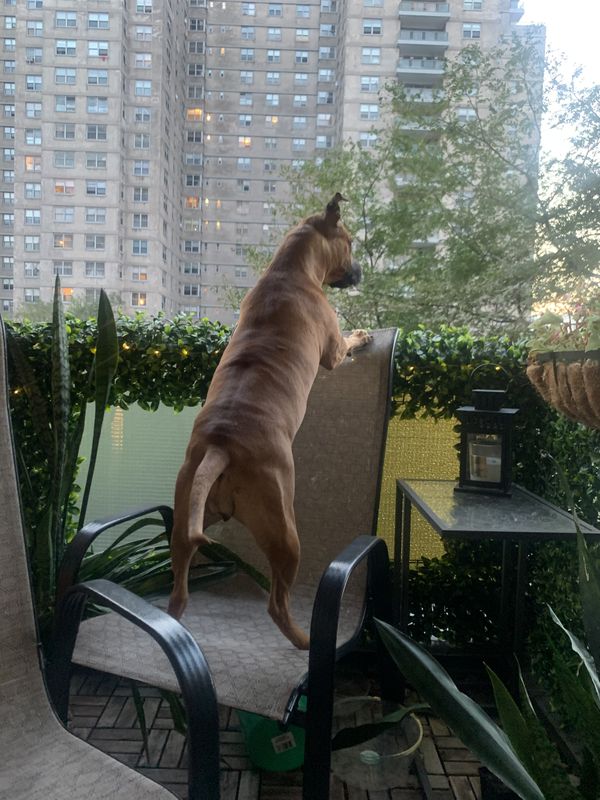
The family adopted a dog. Life was good in the city. But the aquaponics experiment planted a question that wouldn’t go away: what if you scaled this up? What if you built an entire farm where every waste product became an input for something else? What if you could feed a community without buying fertilizer, without wasting water, without depending on supply chains that break?
Chapter 2: Pennsylvania — First Land, First House
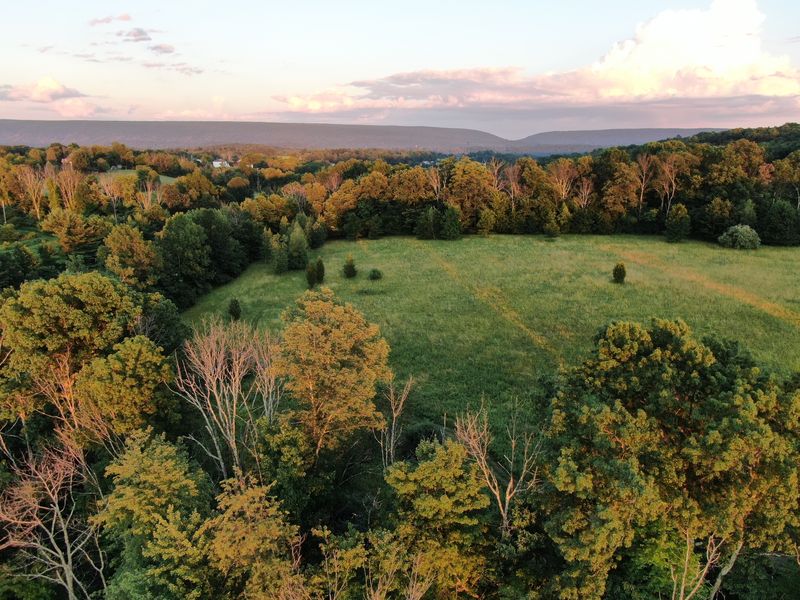
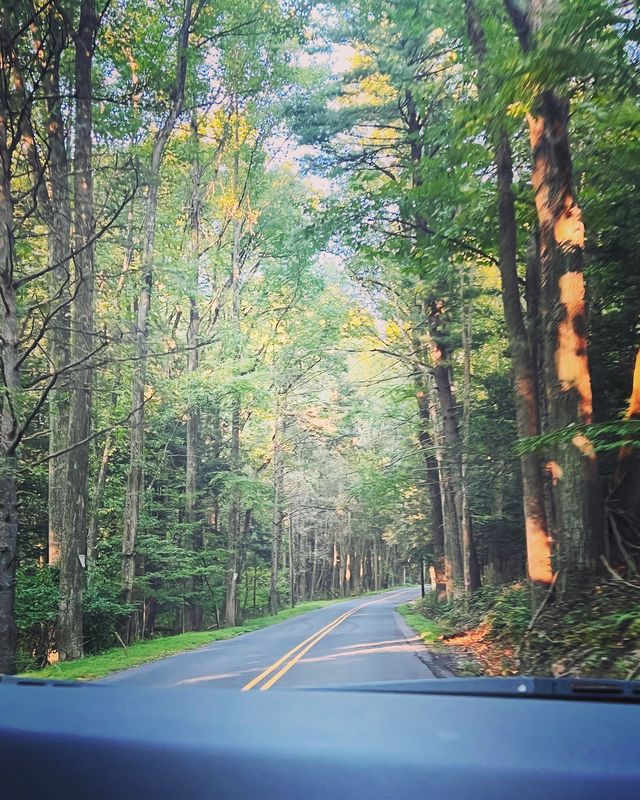
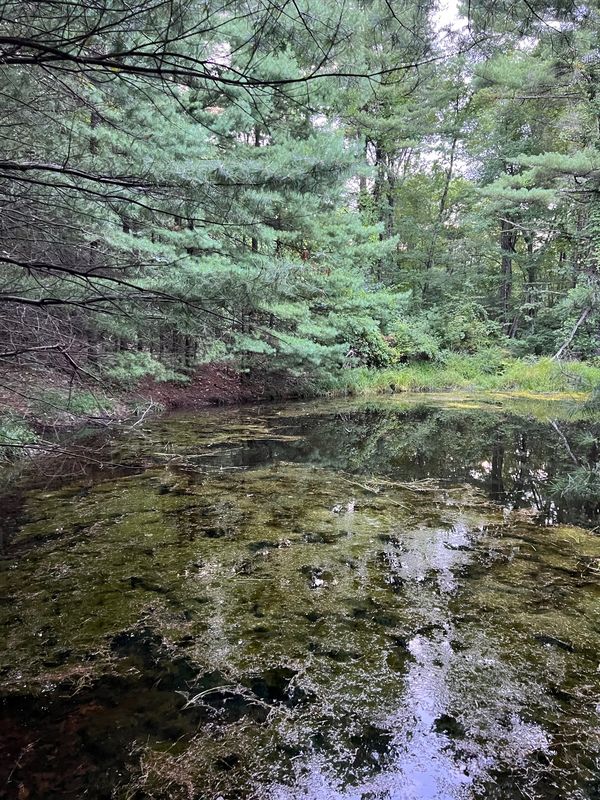
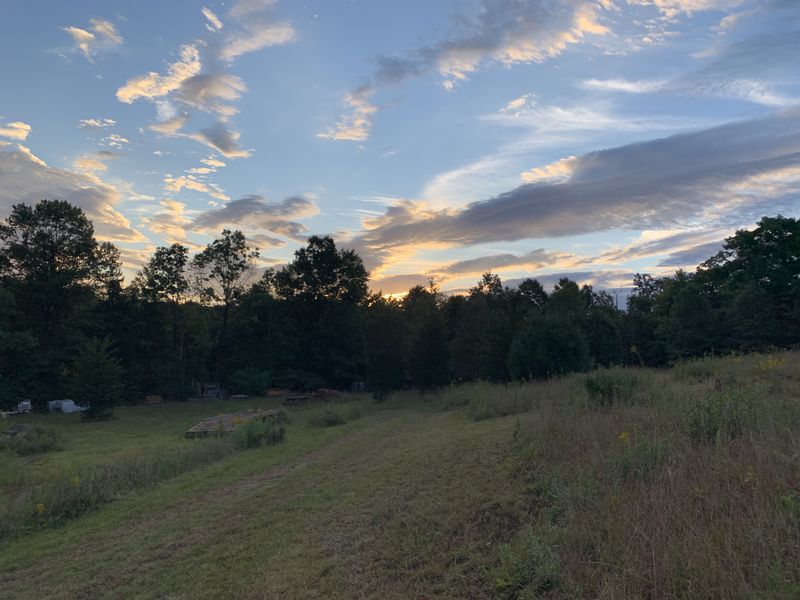
The answer to that question was 18 acres on Route 115 in Saylorsburg, Monroe County, Pennsylvania — in the Pocono Mountains, 90 minutes from New York City. The property had 10 acres of overgrown field, 8 acres of mixed hardwood forest choked with dead ash trees, an old pond full of algae, and no agricultural infrastructure whatsoever. It was a blank canvas. It was perfect.
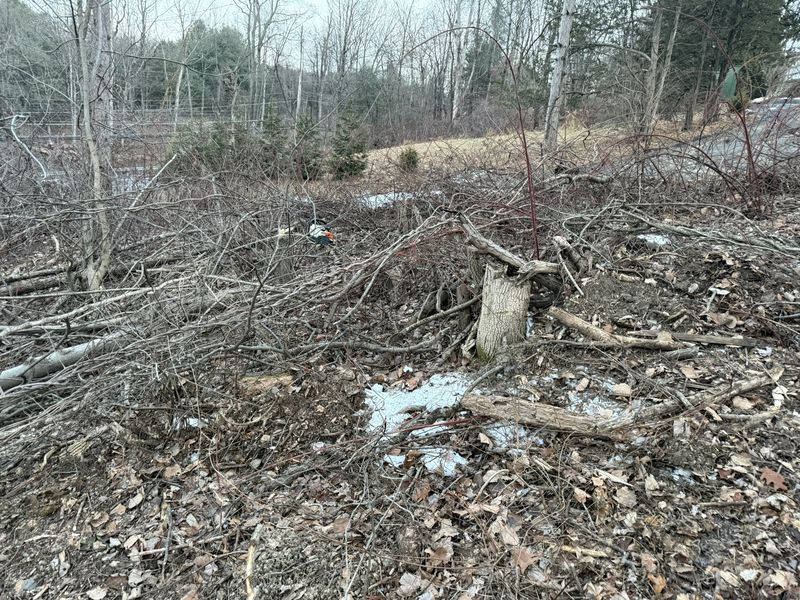
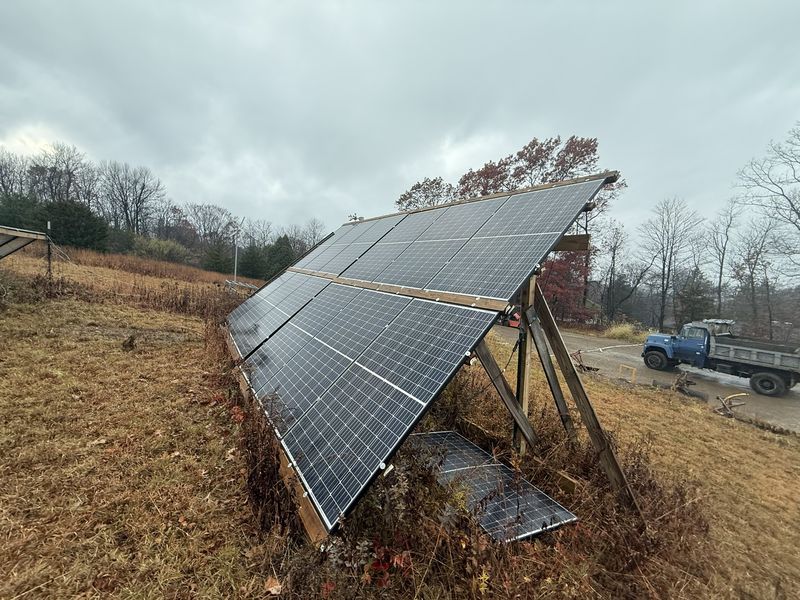
The first year was infrastructure. Clear the dead ash. Grade the field. Install fencing. Build a garage. Clean the pond. Find a local quarry for stone and gravel. Set up a sawmill to repurpose dead wood into lumber for solar ground mounts, fence posts, and building material. Nothing was wasted — the closed-loop philosophy started before the first seed went in the ground.
Chapter 3: Building the Fleet
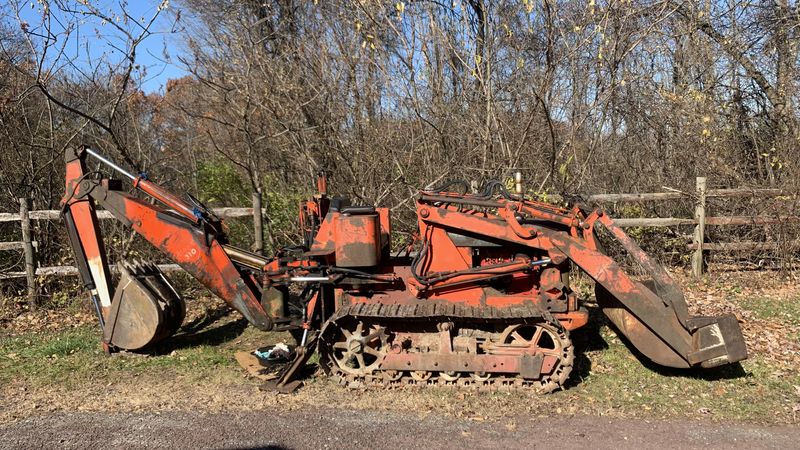
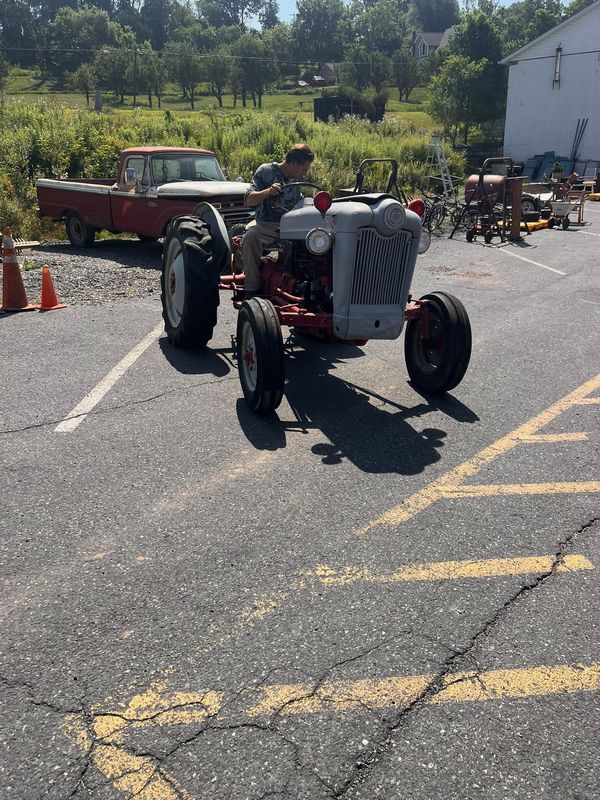
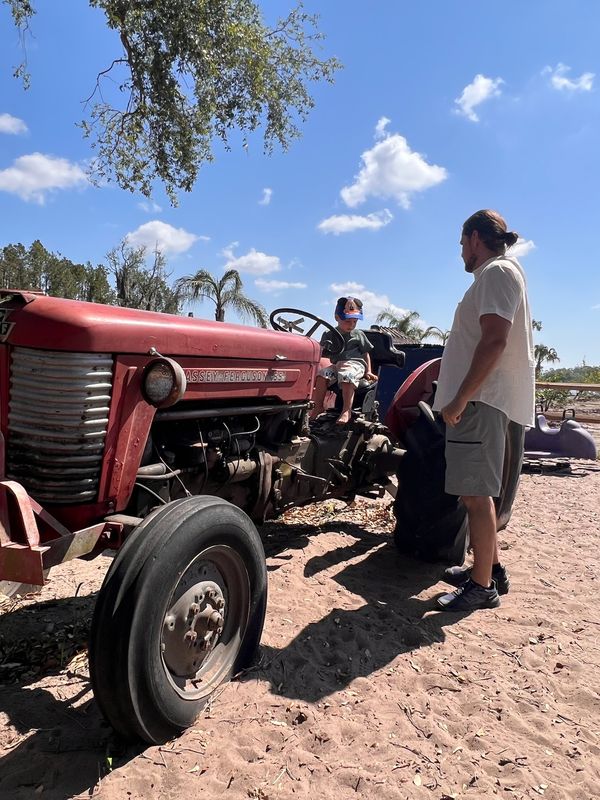
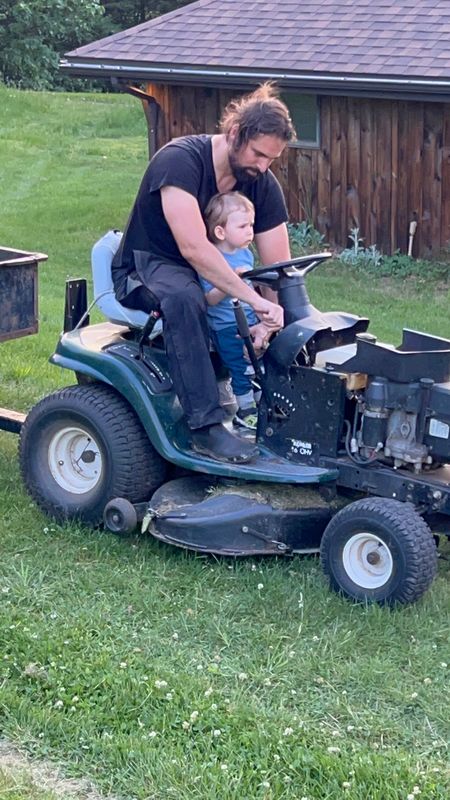
You can’t build a farm without equipment. We acquired machines one at a time, each one unlocking the next phase of development. The Case 310G was our first heavy machine — a tracked backhoe/loader that cleared land, dug trenches, moved stone, and graded the field. Then a Case 310C dozer for leveling. A Ford 1210 compact tractor (4×4 with loader) for daily work. A Ford 8N — the classic 2WD workhorse for field implements. A Simplicity Landlord for mowing and snow blowing.
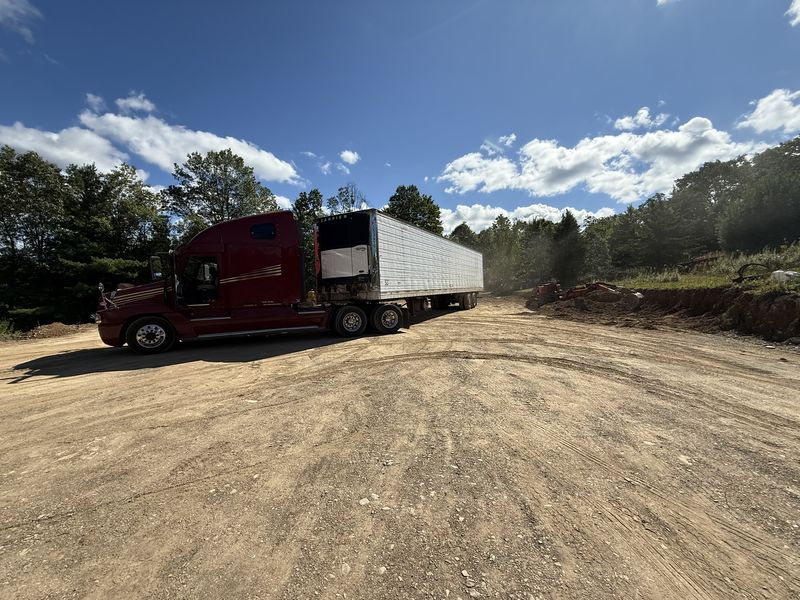
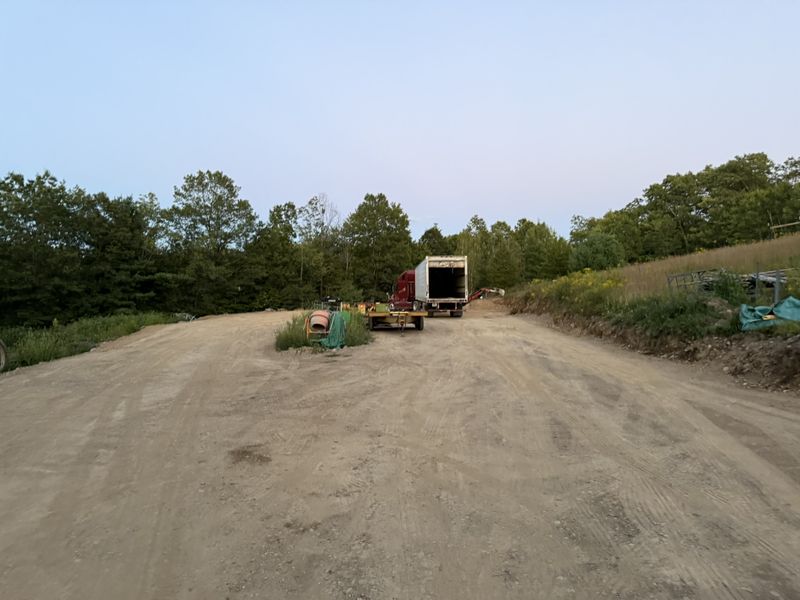
A Ditchwitch trencher cut trenches for electrical conduit, drain pipes, and water lines. A GMC 10-ton dump truck and a Ford 10-ton dump truck hauled gravel, stone, and fill. A Freightliner moved the containers. Utility trailers, a Harbor Freight flatbed, and a transport trailer moved equipment between the property and suppliers. Every machine was purchased used, repaired on-site, and put to work immediately.
Chapter 4: Snow Battles & Year-Round Operations
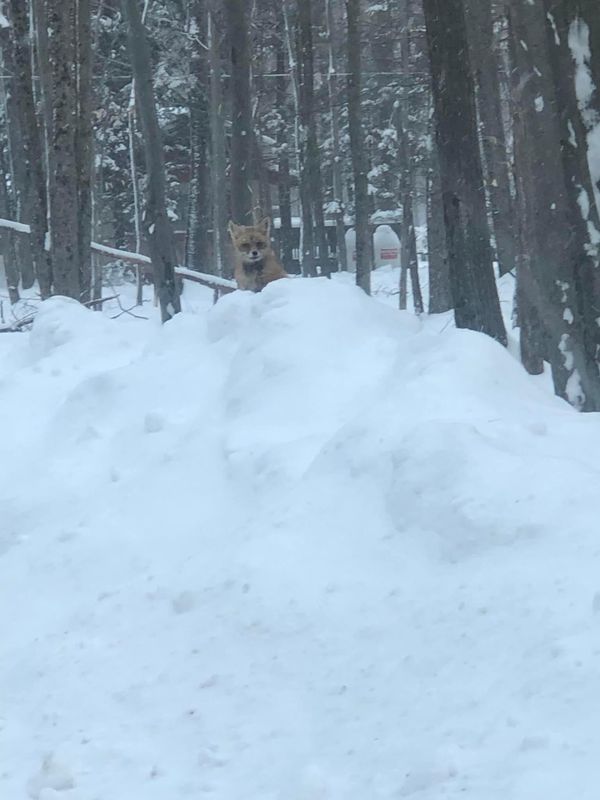
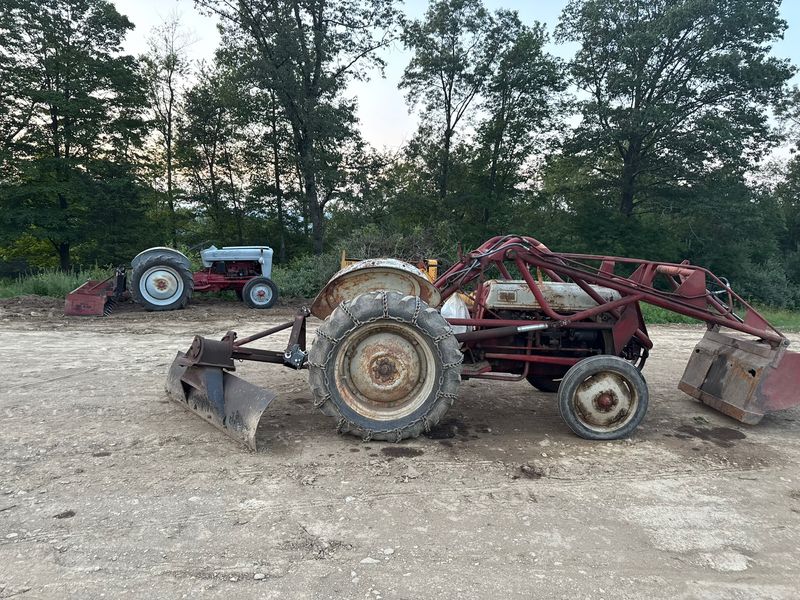
The first Pennsylvania winter was a reality check. Monroe County gets real snow — and when you’re operating heavy equipment, maintaining livestock, and building infrastructure, the snow doesn’t wait. The Simplicity snowblower, the tractor with blade, and the dump truck with plow became survival tools. Pipes froze. Equipment stalled. The wood boilers ran 24/7 to keep the buildings and eventually the containers warm.
But the snow also revealed an advantage: climate-controlled containers don’t care what’s happening outside. At -10°F, the microgreens in Container 1 are growing at 70°F. The hens in Container 2 are laying eggs at 65°F. The shrimp raceway will hold 81°F water regardless of the season. The containers turned Pennsylvania winters from a limitation into a non-factor.
Chapter 5: The Animals Arrive
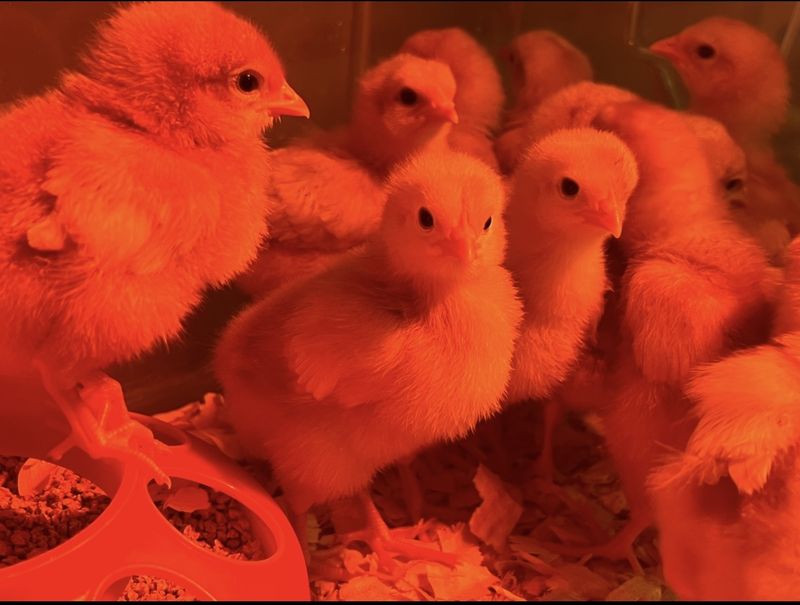
The livestock program started small and grew. First, chicks in a brooder — day-old hatchlings under heat lamps, learning to eat and drink. They moved to a temporary shed, then a temporary run, then into the insulated Container 2 with nesting boxes, automatic waterers, and free-range pasture access. Today the flock is 350 laying hens producing approximately 98,000 eggs per year.
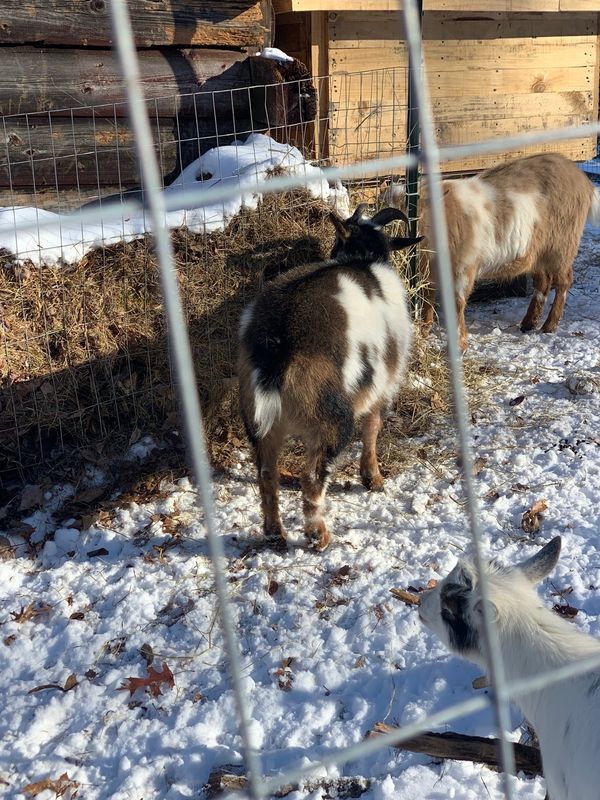
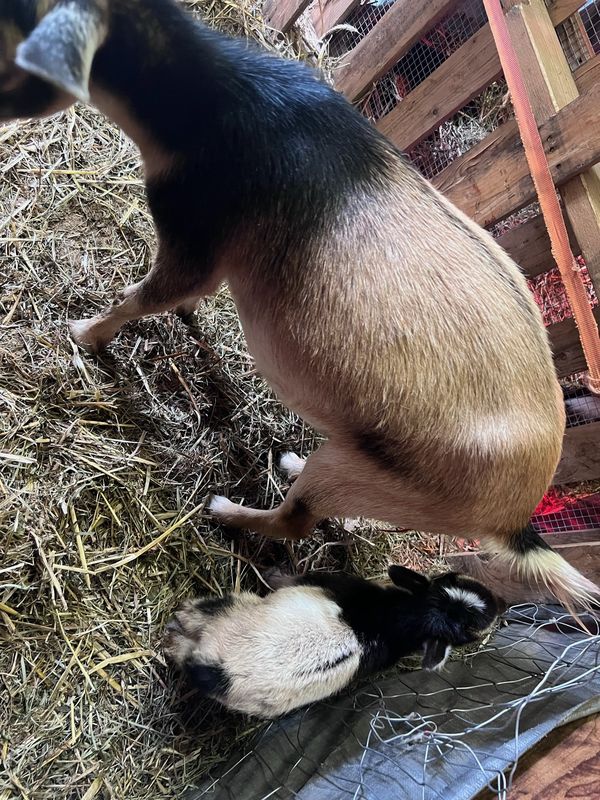
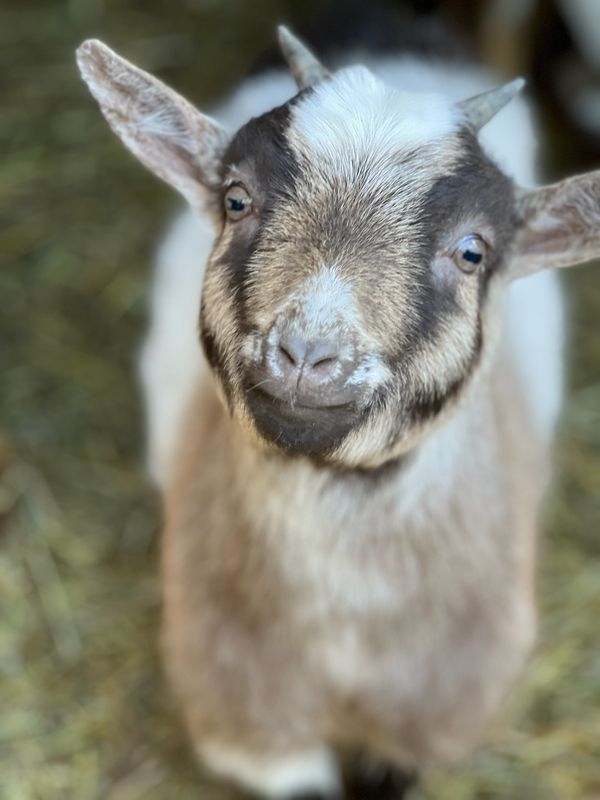
Nigerian dwarf goats came next — compact dairy goats that produce high-butterfat milk on minimal feed. The herd grew to 10 head including does, a buck, and seasonal kids. They produce milk, cheese, yogurt, kefir, and soap. They also became the farm’s natural property custodians, clearing brush and maintaining the woodland edge.
Beehives were installed in the wildflower field near the solar array, and plans are underway for indoor observation hives with UV lighting and magnetic field orientation for year-round pollination inside Container 4. Lady bugs serve as natural pest control across all growing systems.
Chapter 6: The Container Campus Takes Shape
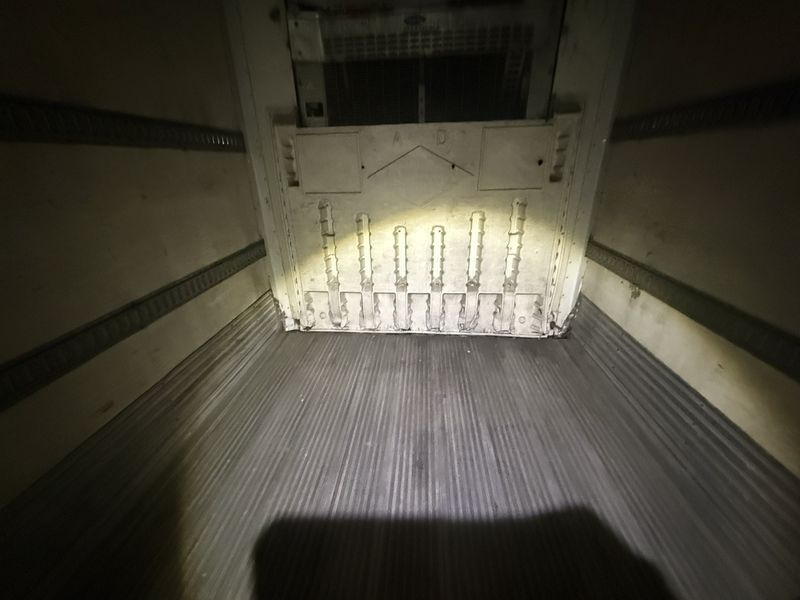
Each 53×8×8-foot insulated container (capable of maintaining temperatures from -20°F to 80°F) represents a complete, self-contained production system. Two are purchased and operational. Container 1 runs three microgreen test stations comparing LED, fluorescent, and metal halide grow lights. Container 2 houses the 350-hen flock. Four more containers are planned: shrimp raceway, tilapia aquaponics with indoor bees, mushroom spawn lab and fruiting chambers, and a processing/vending hub for Route 115.
The grading work was massive. The Case 310G and dozer leveled a section of field to accommodate four containers side by side with space for the duckweed pond, BSF bioreactor, and utility connections between them. A separate area near Route 115 was graded for the market stand and vending hub. Every trench, conduit run, and water line was cut by the Ditchwitch and laid by hand.
Chapter 7: The Digital World Opens Up
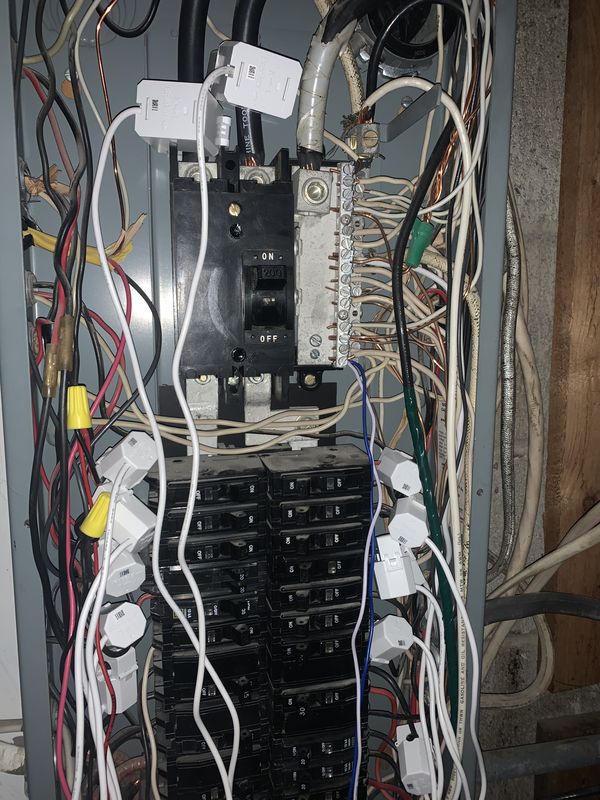
The farm isn’t just analog. Arduino and Raspberry Pi sensors monitor every container. 3D printers produce custom brackets, mounts, and prototypes. A 3D-printed robotic arm prototype tested automated harvesting concepts. Drones provide aerial property surveys. XReal augmented reality glasses are being tested for hands-free data overlay during farm operations. Meta AI glasses serve as an assistant and record-keeping tool.
The programming stack grew alongside the hardware: Python, C++, TensorFlow, NLTK, OpenCV, Xcode. Supervised machine learning models trained on farm data. Computer vision for livestock tracking and predator detection. Then the AI world accelerated — merging existing ML models and hardware with frontier AI agents (Grok, Gemini, Copilot, ChatGPT) to build tools like the Appetite AI health app. Full technology details.
Chapter 8: The Mission
Our mission is to cultivate sustainable, nutrient-dense food through innovative farming in Pennsylvania while advancing environmental stewardship, education, and community resilience. We produce clean, locally grown food using AI, IoT sensors, and regenerative systems that conserve water, eliminate synthetic chemicals, and model the future of responsible agriculture.
It’s much more difficult to make a difference individually. But as a community, the impact is enormous. The technology exists today to end hunger. It is mind-boggling that so many places on this planet still face malnutrition and food insecurity. The World Food Programme Hunger Map shows the scale of the problem in real time. We can’t solve it alone, but we can build a model that works and share it openly.
We’ve also identified a parallel problem: access to empty calories can be as catastrophic as no calories at all. Obesity and malnutrition are two sides of the same coin. Appetite AI is our free app addressing this — using wearables and AI to help people reach a healthy weight by eating at biologically optimal times.
We are a 509(a)(2) public charity (EIN 93-1895646). Candid Gold Seal for 2026. AISF is actively fundraising and seeking grant partnerships to expand our mission. We’re looking for dedicated, committed people to learn, implement, and scale this work. Join us.
Organizational Status
509(a)(2) Public Charity
Incorporated 2023
EIN 93-1895646
IRS Tax-Exempt
Candid Gold Seal 2026
Highest transparency
Actively Fundraising
Seeking grants & partnerships
All Donations Are
Tax-Deductible
509(a)(2) public charity — EIN 93-1895646 — Candid Gold Seal 2026.
Exclusive Donor and Member Benefits
• Free workshop passes
• Behind-the-scenes tours
• Priority CSA subscriptions
• Naming recognition
• Members-only updates
Frequently Asked Questions
What is AI Sustainable Foods?
A 509(a)(2) public charity operating an 18-acre closed-loop farm in Saylorsburg, Monroe County, PA. Currently producing eggs and microgreens with fish, shrimp, mushrooms, and processed goods in development.
How much is operational right now?
Two of six containers (microgreens + 350 hens), the 9kW solar array, IoT sensors with Grafana dashboards, 10 goats, the mushroom log yard, and cleared field. Containers 3–6, BSF bioreactor, duckweed pond, and indoor bees are planned.
Is this a real nonprofit?
Yes. AISF is a 509(a)(2) public charity, EIN 93-1895646, and a Candid Gold Seal recipient for 2026. All donations are tax-deductible.
Where is the farm?
Route 115, Saylorsburg, Monroe County, PA — between Route 209 and Route 33. Pocono Mountains, 90 min from NYC, 2 hrs from Philadelphia.
How can I help?
Donate (tax-deductible). Volunteer. Partner as a corporate sponsor or research collaborator. Get involved. Contact us to schedule a tour.