The Farm
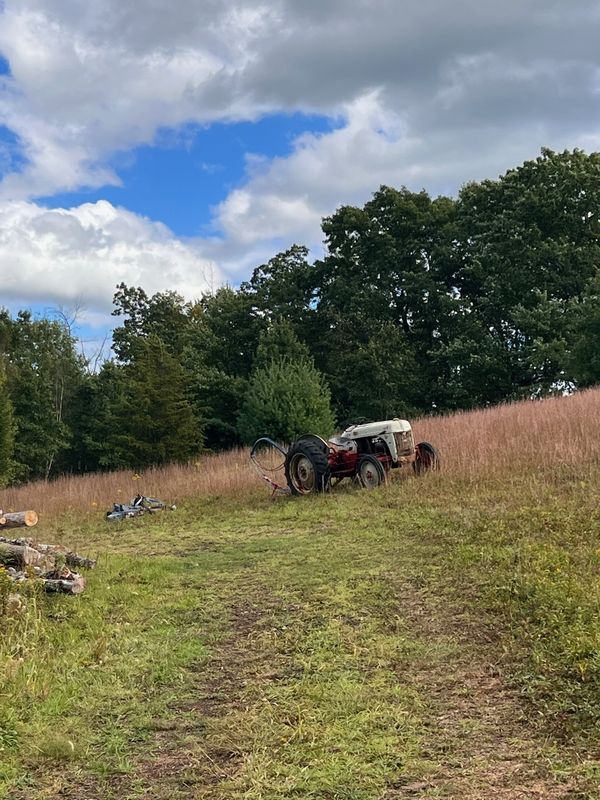
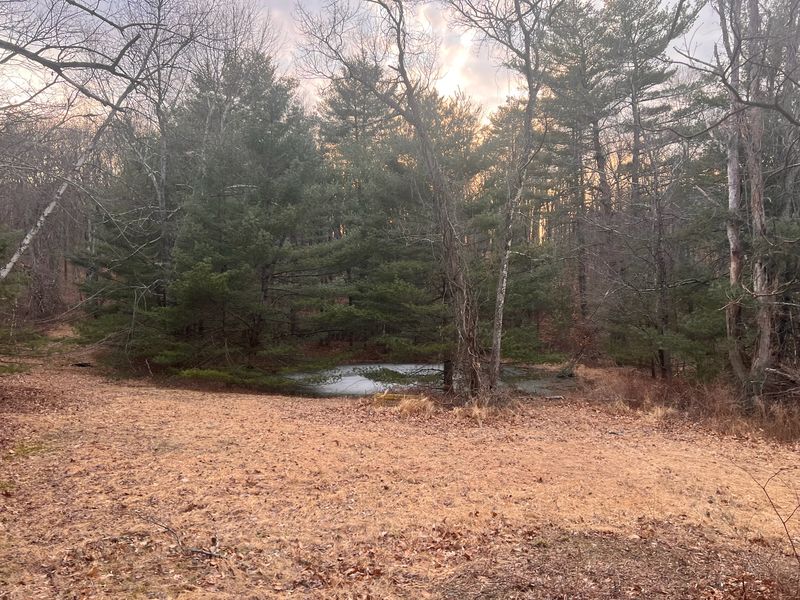
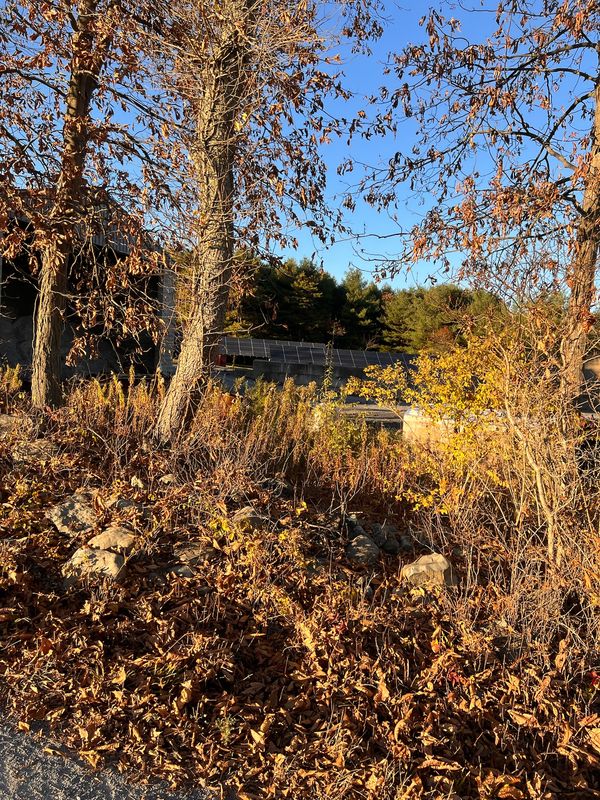
18 acres in Saylorsburg, Monroe County, Pennsylvania. 10 acres of cleared field. 8 acres of mixed hardwood forest. Six 53×8×8-foot climate-controlled containers connected through 16 closed-loop nutrient cycles. Two containers operational, four in build-out. Solar-powered. 95% water recycling. Zero chemical runoff.
How the Campus Works
The AI Sustainable Foods campus is designed as a single interconnected organism.
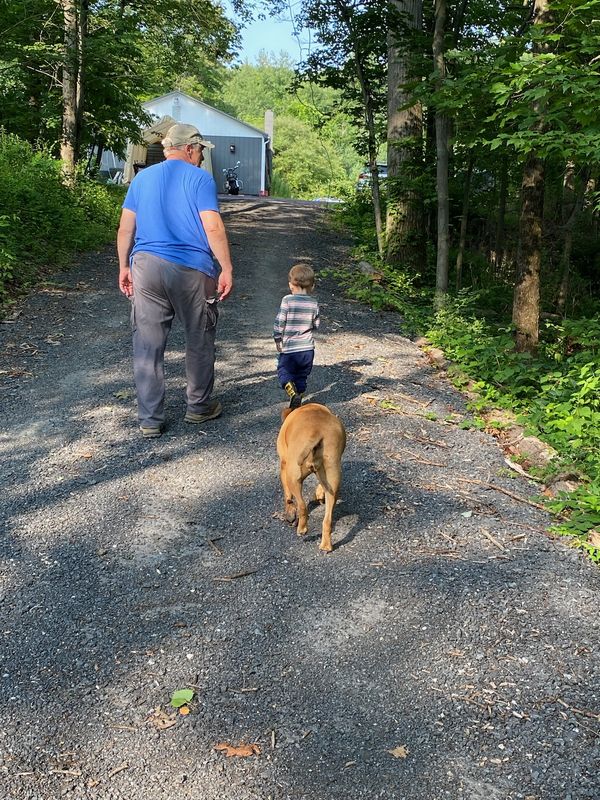
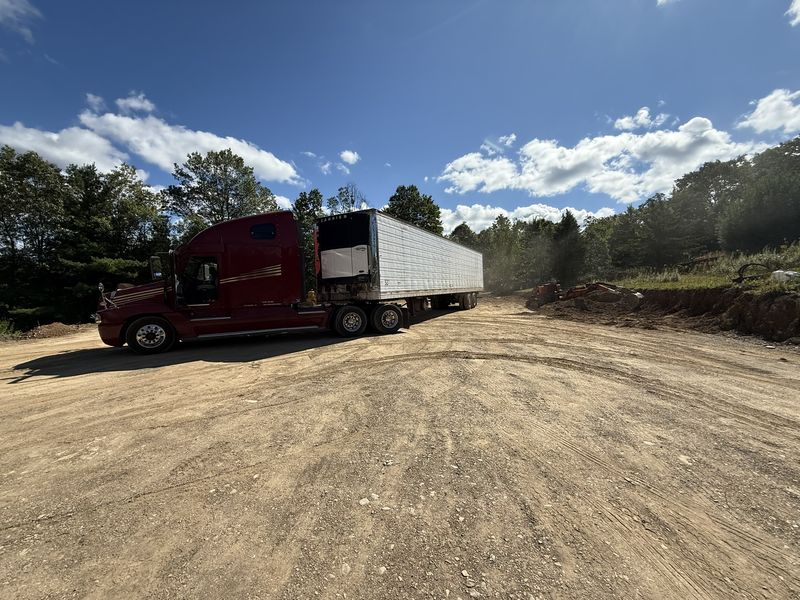
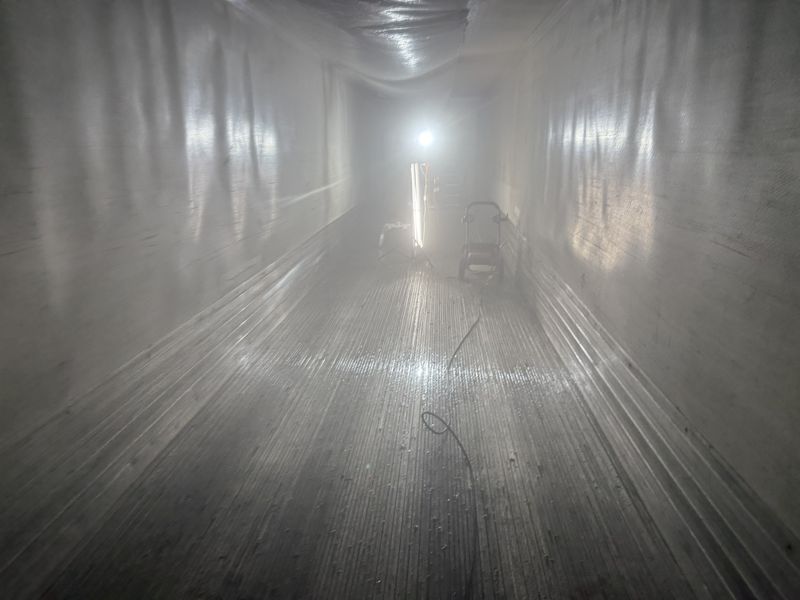
The farm is a family-built operation. Our founder and his son work the property daily, from the 5:30 AM hen feeding through evening sensor checks. The approach is deliberately low-overhead: two people manage every system by designing automation and biological cycles that handle the majority of labor. The BSF bioreactor converts manure to feed without human intervention. Aquaponic systems self-regulate pH and nutrient levels within tolerances. Solar production exceeds consumption. The model is designed so that a single container can be operated by one person, making it replicable for small farms, food deserts, and disaster recovery zones worldwide.
Container 1: Green Machine — Microgreens & Herbs
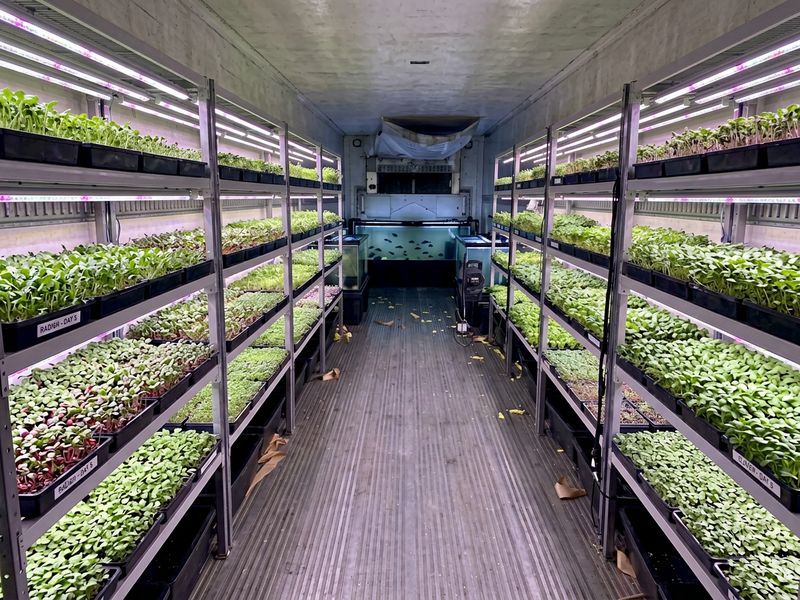
Container 1 is a 53×8×8-foot insulated unit configured as a vertical indoor farm producing microgreens, herbs, wheatgrass, sprouts, and edible flowers. Eight growing stations with five tiers each provide 40 independent grow surfaces under controlled lighting and climate. The container maintains 65–75°F air temperature and 60–70% relative humidity year-round, regardless of external weather conditions. Three test stations compare LED, fluorescent, and metal halide grow lights at matched PPFD (photosynthetic photon flux density) levels to determine the most energy-efficient option for each crop type.
Microgreens reach harvest in 7–14 days depending on variety, enabling 26–52 crop turns per station per year. Target crops include sunflower, pea shoot, radish, broccoli, wheatgrass, basil, cilantro, and mixed mesclun. Irrigation uses recirculated nutrient solution from the aquaponic system in Container 4, closing the water loop. Spent growing medium and root mats are composted or fed to the BSF bioreactor. The Penn State Extension CEA program has documented microgreen yields of 20–40 lbs per 10×20-foot rack per month under similar conditions.
Container 2: Protein Factory — 350 Hens & BSF Bioreactor
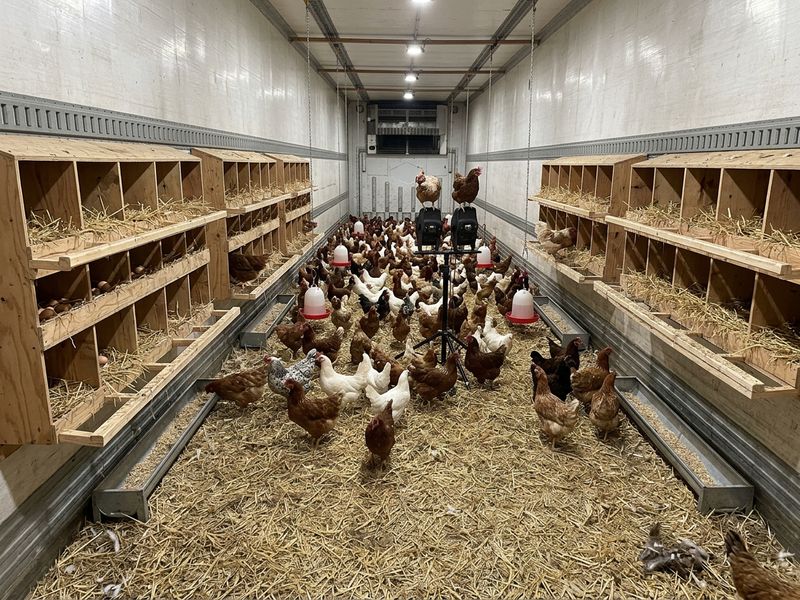
Container 2 houses 350 laying hens in a deep-bedding free-range system producing approximately 98,000 eggs per year (280 eggs/hen/year average across heritage and production breeds).
The flock has free access to outdoor pasture during daylight hours and returns to the climate-controlled container at night. Nesting boxes, automatic waterers, and gravity feeders minimize daily labor to approximately 30 minutes of feeding, egg collection, and health checks.
The BSF (Hermetia illucens) bioreactor is the keystone waste-conversion technology. It processes 40 lbs of organic waste daily — chicken manure, food scraps, and crop residue — designed to produce larvae meal at 42% crude protein and 35% crude fat (replacing commercial fish feed at $0.45/lb versus $1.80/lb purchased) and 30,000 lbs of frass fertilizer annually at NPK 3-2-2. The USDA Agricultural Research Service has validated BSF larvae as a safe and effective protein source for aquaculture and poultry feed.
350 laying hens, 10 Nigerian dwarf goats, BSF bioreactor — every waste stream feeds another system
Container 3: The Ocean — Shrimp Raceway
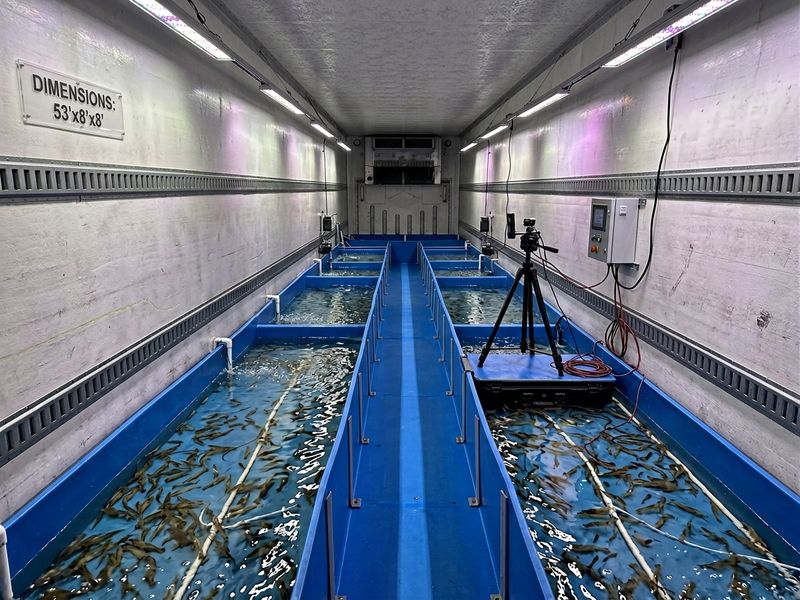
Container 3 is configured as a marine aquaculture unit for Pacific white shrimp (Litopenaeus vannamei) production using biofloc technology (BFT). The planned system will consist of a 7,200-gallon raceway with aeration, heating, and water quality monitoring. Target stocking density is 150–200 shrimp per cubic meter at 78–84°F water temperature, 15–20 ppt salinity, pH 7.0–7.5, and dissolved oxygen above 5 mg/L. Biofloc — a consortium of bacteria, algae, and protozoa maintained at 300–500 NTU turbidity — converts toxic ammonia into microbial protein that the shrimp consume as supplemental feed, reducing feed conversion ratios and water exchange rates to under 5% per week.
Projected yield is 800–1,200 lbs of head-on shrimp annually across 2–3 production cycles. Shrimp pond waste water is rich in nitrogen and phosphorus — it feeds the duckweed pond, which in turn feeds tilapia and poultry. The FAO Fisheries Division has documented biofloc shrimp systems achieving FCR (feed conversion ratio) of 1.2–1.5 in controlled environments, making indoor shrimp production viable at latitudes previously considered impossible for marine aquaculture.
Container 4: Aqua Garden — Tilapia, Aquaponics & Bees
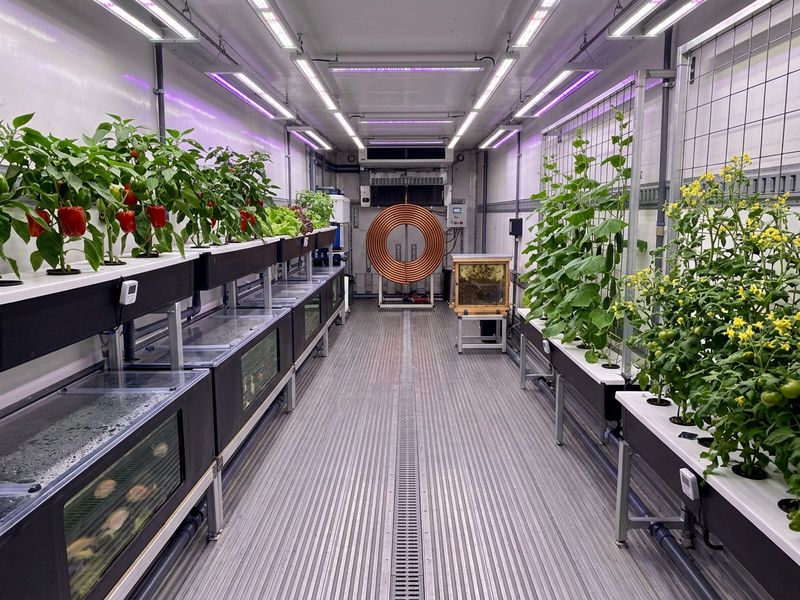
Container 4 integrates freshwater aquaculture with soilless vegetable production. Six IBC totes will house 600 Nile tilapia (Oreochromis niloticus) at 78°F water temperature and 6.5–7.0 pH. Fish wastewater flows through mechanical and biological filtration before irrigating six aquaponic grow beds configured as nutrient film technique (NFT) channels, deep water culture (DWC) rafts, and vertical tower systems. Crops include lettuce, kale, chard, basil, mint, and strawberries.
Two indoor observation beehives will operate under UV lighting with magnetic field orientation strips that replicate the Earth’s geomagnetic signature, enabling year-round pollination activity. Research by USDA-ARS Beltsville has shown that bees can maintain foraging behavior under controlled artificial lighting when UV wavelengths are present. Projected annual honey production: 50 lbs from indoor hives, plus outdoor hive production during warm months.
Container 5: Fungus Kingdom — Mushrooms & Spawn Lab
Container 5 will be divided into three zones: a HEPA-filtered spawn laboratory with laminar flow hood for sterile culture work, an incubation room at 75–80°F for colonizing substrate, and a fruiting chamber maintaining 58–62°F with 85–95% relative humidity and elevated CO₂ (500–1,000 ppm) for mushroom production. Target species include oyster (Pleurotus ostreatus), lion’s mane (Hericium erinaceus), shiitake (Lentinula edodes), reishi (Ganoderma lucidum), and cordyceps (Cordyceps militaris).
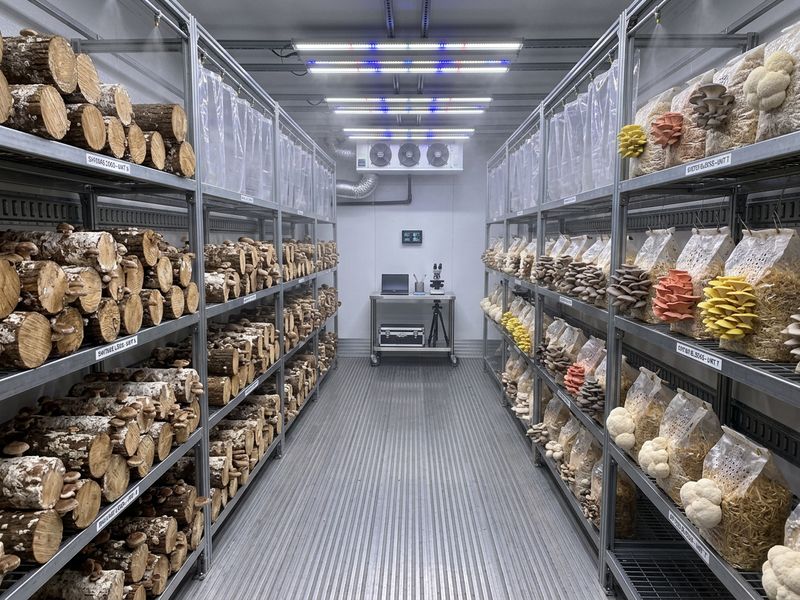
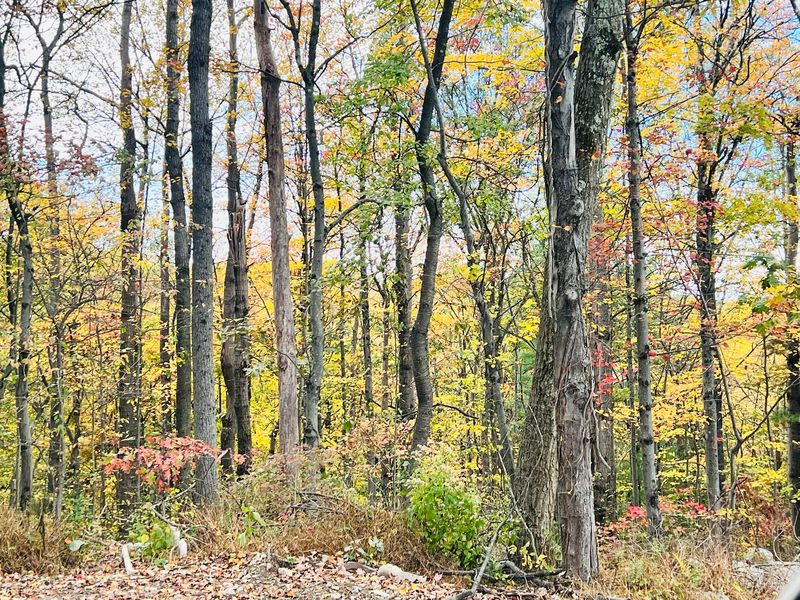
Outdoors, 2,000 hardwood logs (primarily oak and maple harvested from the 8-acre woodland) are inoculated with shiitake and oyster spawn and stacked in shade structures for 9–18 month colonization cycles. Fruiting occurs naturally in spring and fall, triggered by rain events and temperature swings. The USDA Forest Service agroforestry program has documented shiitake log cultivation as one of the highest-value woodland enterprises in the eastern United States, with retail prices of $12–16/lb for fresh and $80–120/lb for dried.
Truffle-inoculated hazelnut and oak seedlings are planted along the woodland edge in a 10-year production timeline. Spent mushroom substrate (SMS) is composted and returned to field crop beds, closing the carbon cycle.
Container 6: The Kitchen — Processing, Retail & Vending
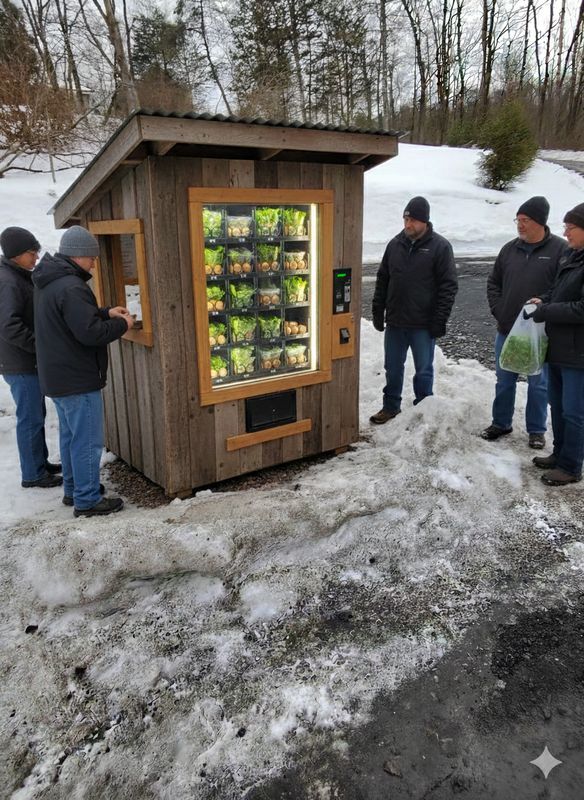
Container 6 will serve as the farm’s food processing hub, juice bar, and retail outlet. A 25-locker automated vending machine (12×12×12-inch compartments with individual temperature control) will provide 24/7 unmanned sales on Route 115 between Route 209 and Route 33 — a high-traffic corridor serving commuters, tourists, and local residents. Products include fresh eggs, microgreens, mushrooms, honey, goat cheese, yogurt, soap, value-added preserves, and seasonal produce.
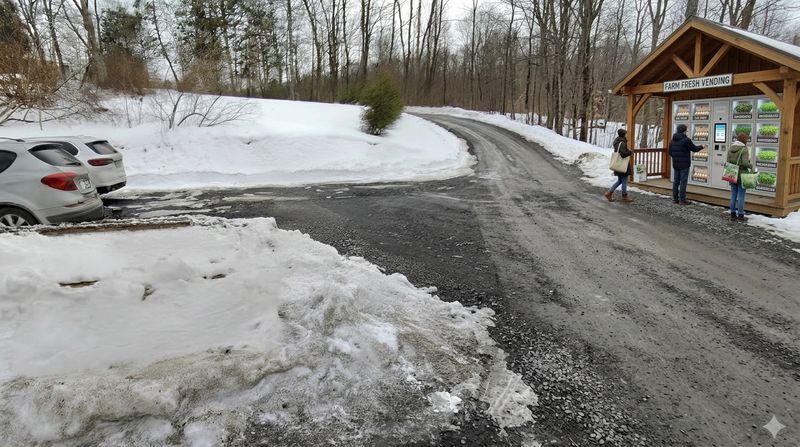
The vending system uses Amazon Locker-style point-of-sale technology with mobile payment, inventory tracking via the Appetite AI app, and automated restocking alerts to the farm operations dashboard. This direct-to-consumer model eliminates distributor margins and provides data on purchasing patterns that inform crop planning. Try the Appetite AI demo to see the ordering interface.
Nigerian Dwarf Goats & Mini Zoo
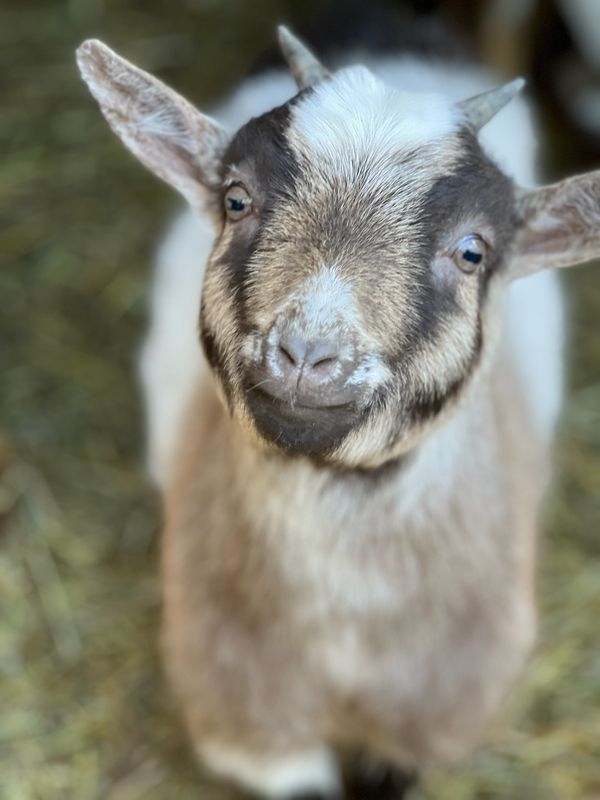
The farm maintains a herd of 10 Nigerian dwarf goats including does, a buck, and seasonal kids. Nigerian dwarfs are ideal for small-scale diversified farms: they produce 1–2 quarts of high-butterfat milk daily (6–10% butterfat, compared to 3.5% for standard dairy breeds), thrive on browse and pasture, and their compact size (17–21 inches at the shoulder) makes them manageable for a single operator. Products include raw goat milk, soft and hard cheeses, yogurt, kefir, and goat milk soap.
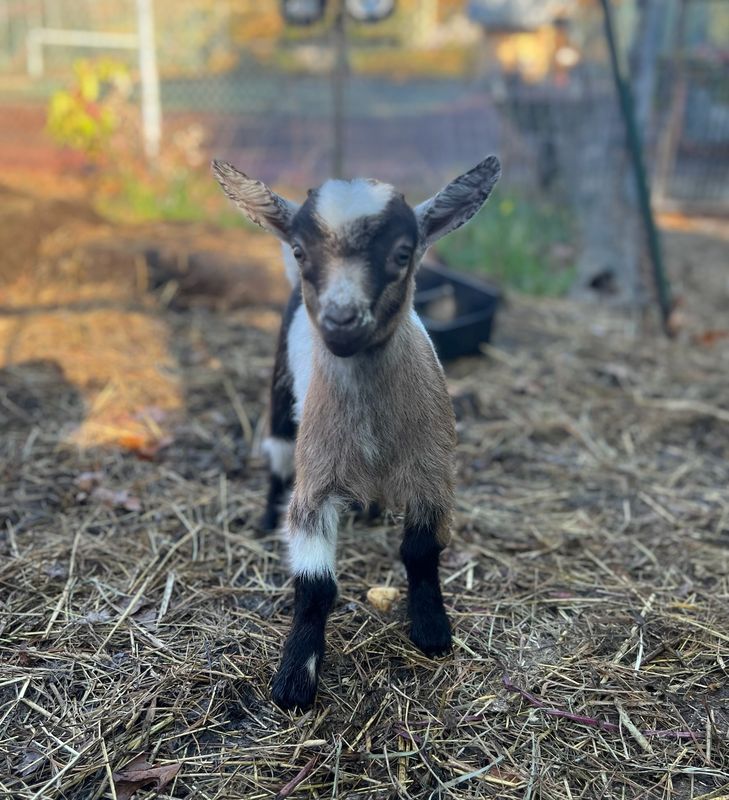
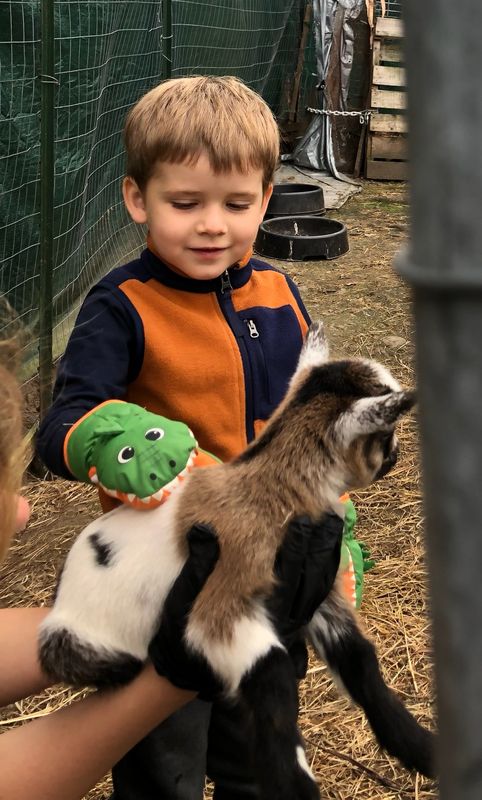
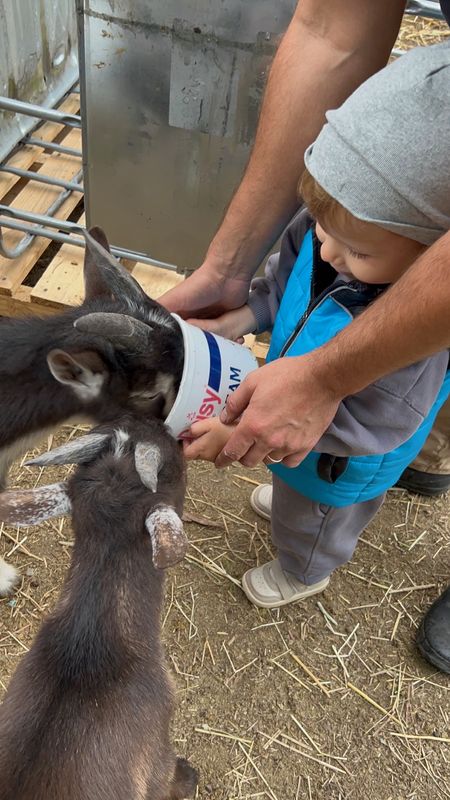
The goat herd doubles as the farm’s mini zoo for educational tours. School groups and families interact with the goats, chickens, and quail in supervised settings, learning about animal husbandry, nutrition, and the closed-loop connection between livestock waste and crop production. The USDA NIFA Farm-to-School program supports exactly this kind of experiential agricultural education.
Field Crops & Woodland
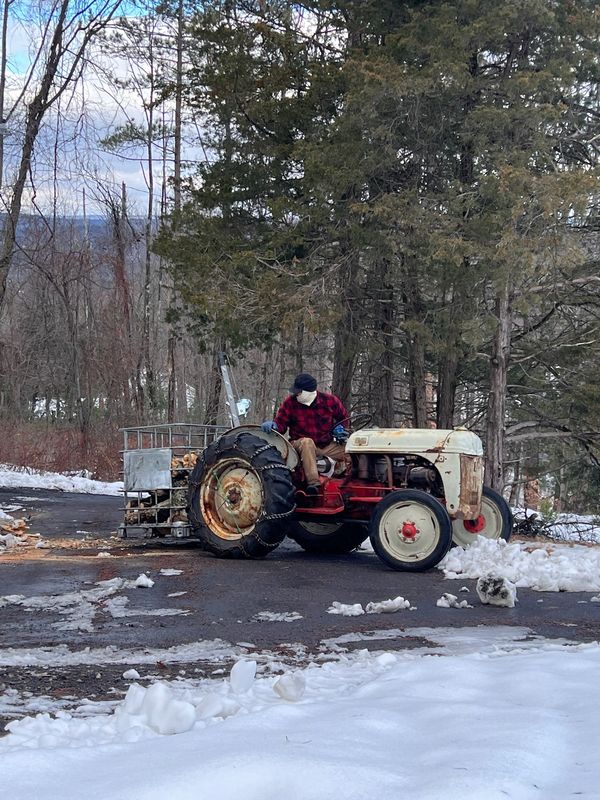
10 acres cleared field — Prepared for corn, sunflower, wheat, potato, beans, squash, peppers, tomatoes, garlic, onion, pumpkin, and 10+ additional varieties in seasonal rotation. Cover crops (crimson clover, winter rye, daikon radish) will build soil organic matter and fix atmospheric nitrogen once planting begins. Frass fertilizer from the BSF bioreactor and compost from spent mushroom substrate provide the primary nutrient amendments.
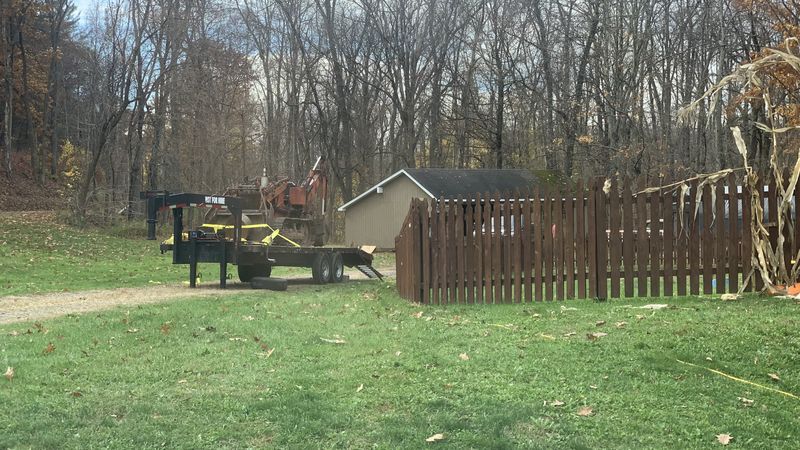
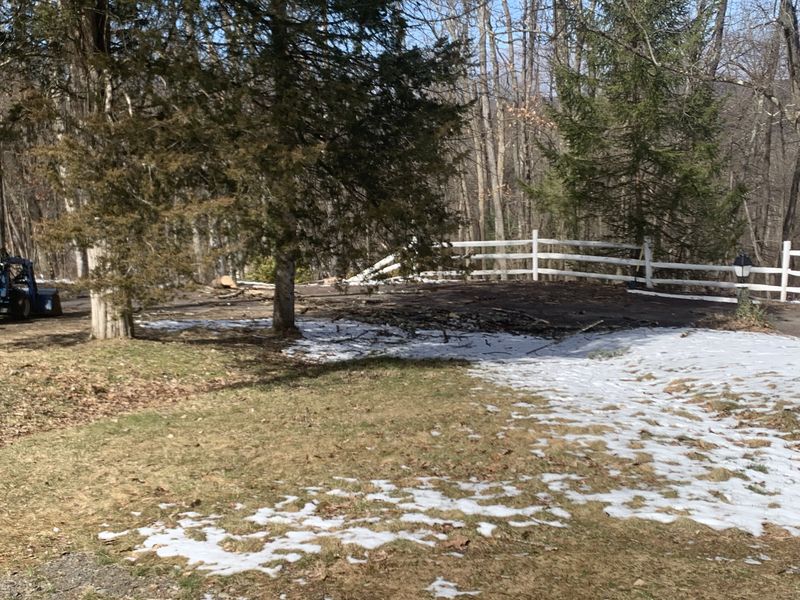
8 acres woodland: Mixed hardwood forest (oak, maple, hickory, ash) managed for sustainable harvest. Current enterprises include 2,000 shiitake and oyster mushroom logs, American ginseng under multi-year cultivation, hazelnut plantings, truffle-inoculated trees, wild-harvested ramps and goldenseal, and selective firewood harvesting for biochar production. Biochar is incorporated into field soils to improve water retention and carbon sequestration, supporting SDG 13: Climate Action.
Live Livestock AI — OpenCV Detection Feed
Simulated field camera tracking 350 chickens and 10 goats · Real-time predator species identification
Click Any System to View Dashboard
8 illustrated systems with real-time Grafana sensor data
All Donations Are
Tax-Deductible
509(a)(2) public charity — EIN 93-1895646 — Candid Gold Seal 2026.
Exclusive Donor and Member Benefits
• Free workshop passes
• Behind-the-scenes tours
• Priority CSA subscriptions
• Naming recognition
• Members-only updates
Frequently Asked Questions
How many animals are on the farm?+
The farm maintains 350 laying hens (mixed heritage and production breeds), 100 Coturnix quail, 10 Nigerian dwarf goats, 3 acorn-finished pigs, 600 Nile tilapia, and 12,800–19,200 Pacific white shrimp per production cycle. Additionally, 4 beehives (2 indoor observation, 2 outdoor) support pollination and honey production.
What crops do you grow?+
Indoor containers produce microgreens, herbs, wheatgrass, sprouts, edible flowers, lettuce, kale, chard, basil, mint, strawberries, and mushrooms (oyster, lion’s mane, shiitake, reishi, cordyceps). Field crops include corn, sunflower, wheat, potato, beans, squash, peppers, tomatoes, garlic, onion, and seasonal varieties. Woodland crops include mushroom logs, ginseng, hazelnuts, truffles, ramps, and goldenseal.
What does “closed-loop” mean on this farm?+
Every waste output becomes an input for another system. Chicken manure will feed BSF larvae. Larvae feed fish. Fish wastewater feeds plants. Plant waste composts back to fields. Duckweed captures excess nutrients and becomes feed. Mushroom substrate waste becomes soil amendment. At full build-out, the farm will operate 16 of these interconnected nutrient cycles, achieving 95% water recycling and eliminating purchased synthetic fertilizer.
Can I buy products from the farm?+
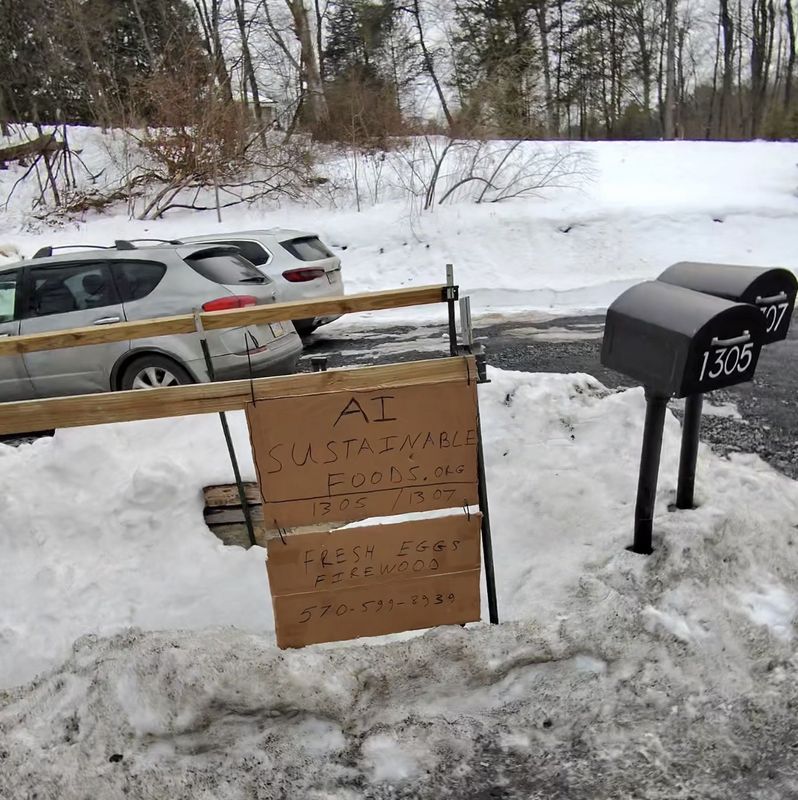
Yes. The farm stand on Route 115 between Route 209 and Route 33 in Saylorsburg, PA offers eggs, mushrooms, microgreens, honey, goat products, and seasonal produce. The 25-locker vending machine (in development) will provide 24/7 automated access. Online ordering via the Appetite AI app is pending Apple and Google store approval.
How is the farm powered?+
A 9kW Canton solar array with 597Ah battery storage provides the primary energy source. Dual inverters support grid-tie operation with battery backup for critical systems (fish life support, refrigeration, incubation). The solar system generates more energy annually than the farm consumes, contributing to UN SDG 7: Affordable and Clean Energy.
Is this a real working farm or a demonstration site?+
It is a fully operational production farm. Containers 1 and 2 are active, the solar array is generating power, livestock are producing eggs and dairy daily, and field crops are planted. The farm also serves as a research platform — our analysis of USDA SARE-funded projects found zero existing precedent for the specific combination of systems we operate, which makes every production season a contribution to agricultural research.
Ready to See the Farm in Person?
Private guided tours of our aquaponics system, 400 chickens, Nigerian dwarf goats, solar containers, and closed-loop agriculture. By appointment, 60–90 minutes.
Book a Farm Tour →